 fr
fr en
en
PRINCE2™ 7 Foundation with Certification
This training program prepares participants for the PRINCE2® Foundation certification. As an ATO accredited by PeopleCert, this Oo2 training fully complies with all PeopleCert requirements and is delivered by an accredited trainer. Participants will receive the official PRINCE2® manual as well as the official PeopleCert courseware.
Why should you take this training?
The PRINCE2® method is one of the most widely used project management methodologies in the world. It is easy to learn, understand, and apply. Many industries have adopted it, including IT governance, telecommunications, banking, construction, and logistics. Designed to meet the needs of both SMEs and large organizations, PRINCE2® is fully compatible with other project management methods and techniques.
By attending this training, you will acquire all the fundamental knowledge needed to fully understand the principles of PRINCE2®. You will explore in detail the 7 processes and the 7 themes of the method. Furthermore, you will learn the techniques and tools required for its effective application within your organization, with expert guidance on how to best integrate it into your business practices.
Expected outcomes
At the end of this 3-day program, you will take a mock exam to prepare for the official PRINCE2® Foundation exam included in our package. Successfully passing the exam will grant you the PRINCE2® 7 Foundation certification (more details in the certification section). Please note that the PRINCE2® Foundation – Project Management certification is registered under the Répertoire Spécifique n° RS6948, making this training eligible for the Compte Personnel de Formation (CPF), with the exam being mandatory.
 Oo2 is accredited by AXELOS® through PeopleCert to deliver PRINCE2™ training. As an ATO, this status ensures that you benefit from an accredited trainer, official course materials, and official exams.
Targets
Learning Objectives of the PRINCE2® Foundation Training
- Discover and understand the fundamentals of project management and the concept of the PRINCE2® methodology.
- Understand that the 7 PRINCE2® principles form the foundation of the method.
- Explore the 7 PRINCE2® themes and the 7 processes, particularly in their application throughout a project.
- Identify the roles and responsibilities of the stakeholders involved in a PRINCE2® project.
- Apply PRINCE2® through case studies and practical exercises.
- Prepare effectively for the PRINCE2® Foundation exam and achieve certification.
Program
1. Introduction Round
- Individual introductions.
- Introduction to the training framework.
- Alignment with specific objectives and challenges.
- Identification of participants’ expectations and perspectives.
2. Understanding the Concept of a Project and PRINCE2
- Key elements of the PRINCE2 method (principles, themes, processes, roles, and context).
- The difference between a project and project management.
- The different performance aspects to be managed in a project.
- The difference between a linear sequential, iterative incremental, and hybrid approach.
- Reasons why project management is often used.
- Common challenges that PRINCE2 is designed to address.
- Project-specific elements.
- Projects in their context and environment.
- Advantages and specific features of the PRINCE2 method.
3. Understanding the Importance of Roles in Projects
- Definition of key elements related to the human factor:
- organizational ecosystem.
- project ecosystem.
- change management.
- stakeholders.
- culture.
- collaboration and co-creation.
- leadership and management.
- The difference between people involved in a project and those affected by it.
- Presentation of key people-related elements:
- the importance of change management.
- stakeholder engagement.
- communication.
- team effectiveness, including diversity, capabilities, and skills.
- The objective of product management to support the human factor of the project (change and communication management approach).
- People-related aspects integrated into other PRINCE2 elements.
4. Understanding the Synergy Between Principles and the PRINCE2 Method
- Presentation of PRINCE2 principles:
- continued business justification.
- learning from experience of previous projects.
- defining roles and responsibilities.
- managing by stages.
- managing by exception.
- focusing on products.
- tailoring to the project environment.
- The importance of PRINCE2 principles for implementing the method, and the criteria influencing its tailoring and application.
5. Understanding the 7 PRINCE2 Themes Throughout a Project
Business Case
- Objectives of the “Business Case” theme and the benefits management approach.
- Minimum PRINCE2 requirements for implementation.
- Key concepts of continued business justification, deliverables, outcomes, benefits, and dis-benefits.
Organization
- Objectives of the “Organization” theme and the communication management approach.
- Minimum PRINCE2 requirements for implementation.
- Roles and responsibilities of the following:
- project board.
- executive.
- senior user.
- senior supplier.
- project assurance members.
- change authority.
- project manager.
- team manager.
- project support.
- Key concepts related to stakeholder organization.
- The 3 project benefits and the role of stakeholders across the 4 management levels.
Quality
- Objectives of the “Quality” theme.
- Objectives of a product description, a project product description, a quality management approach, and a quality register.
- Minimum PRINCE2 requirements for implementation.
- Key concepts of quality and its characteristics for:
- quality planning and quality control.
- project assurance and quality assurance.
- customer quality requirements and acceptance criteria.
Plans
- Objective of the “Plans” theme.
- Objectives of a project plan, stage plan, exception plan, and team plan.
- Minimum PRINCE2 requirements for implementation.
- Recommended approach to planning.
- Recommended approach to product definition and analysis.
- Key factors in structuring the project into management stages.
Risk
- Objective of the “Risk” theme, including the purpose of a risk budget.
- Objectives of a risk management approach and a risk register.
- Minimum PRINCE2 requirements for implementation.
- Key risk concepts and characteristics, including:
- risk (threat or opportunity).
- types of recommended risk responses.
- risk monitoring and risk execution.
- cause, event, and effect.
- probability, impact, and proximity of risk.
- Recommended risk management procedure.
Change
- Objective of the “Change” theme, including the change budget.
- Objectives of a change control approach, configuration item record, issue register, issue report, and product status account.
- Minimum PRINCE2 requirements for implementation.
- Different types of issues.
- Recommended procedures for issue and change control.
Progress
- Objective of the “Progress” theme.
- Objectives of a daily log, lessons log, lessons report, work package, end stage report, end project report, checkpoint report, and exception report.
- Minimum PRINCE2 requirements for implementation.
- Key progress concepts including:
- event-driven and time-driven controls.
- tolerances and exceptions, including defining tolerances and reporting exceptions.
6. Understanding the 7 PRINCE2 Processes Throughout a Project
- Presentation of objectives and context of the PRINCE2 processes:
- starting up a project.
- directing a project.
- initiating a project.
- controlling a stage.
- managing product delivery.
- managing a stage boundary.
- closing a project.
7. Preparing for the PRINCE2 Foundation Exam (7th Edition)
- Mock exam with self-correction.
- Q&A session.
- Guidance for the official exam.
Prerequisites
Project management experience is recommended but not mandatory.
Public
This training is intended for the following audiences:
- Project managers and team leaders, whether certified or not
- Future project managers
- Anyone wishing to enhance their project management skills
Strong points
- Training delivered by a PeopleCert-accredited ATO
- Official PRINCE2 7 course materials and handbook included
- Official PRINCE2 Foundation exam included
- Free second attempt included in case of initial failure
Certification
At the end of the training, participants will receive a voucher that allows them to schedule their PRINCE2 Foundation exam online (available in French or English).
The exam questions cover the following areas of knowledge:
- Key concepts related to projects and PRINCE2
- The PRINCE2 principles, which form the foundation of the method
- The PRINCE2 practices and how they are applied throughout the project
- The PRINCE2 processes and how they are applied throughout the project
The exam consists of a multiple-choice questionnaire with 60 questions, to be completed within 1 hour, closed book.
Un score minimum requis de 60 % ( soit 36 bonnes réponses) est nécessaire pour valider l’épreuve.
For candidates using their CPF
Before taking the multiple-choice exam, candidates must first complete a practical case study based on a fictitious project management scenario, which includes:
- A written assignment (2 hours): the candidate must provide an analysis and a detailed action plan based on PRINCE2.
- An oral defense (1 hour): presented before an independent jury composed of at least 2 PRINCE2 experts.
A minimum passing score of 60% is required to validate this assessment.
Both parts of the exam (Practical Case Study + MCQ) must be completed within 30 days after the training.
You must pass both assessments to be certified.
Once you have successfully passed your exam, you will receive your official PRINCE2 Foundation certification.
Note:
- In case of failure, a free second attempt is included.
- The PRINCE2 Foundation certification is valid for 3 years (renewable) and is a prerequisite for the PRINCE2 Practitioner certification.
 | Note: our offer includes the possibility to retake the exam free of charge in case of failure on the first attempt. |
Targets
Learning Objectives of the PRINCE2® Foundation Training
- Discover and understand the fundamentals of project management and the concept of the PRINCE2® methodology.
- Understand that the 7 PRINCE2® principles form the foundation of the method.
- Explore the 7 PRINCE2® themes and the 7 processes, particularly in their application throughout a project.
- Identify the roles and responsibilities of the stakeholders involved in a PRINCE2® project.
- Apply PRINCE2® through case studies and practical exercises.
- Prepare effectively for the PRINCE2® Foundation exam and achieve certification.
Program
1. Introduction Round
- Individual introductions.
- Introduction to the training framework.
- Alignment with specific objectives and challenges.
- Identification of participants’ expectations and perspectives.
2. Understanding the Concept of a Project and PRINCE2
- Key elements of the PRINCE2 method (principles, themes, processes, roles, and context).
- The difference between a project and project management.
- The different performance aspects to be managed in a project.
- The difference between a linear sequential, iterative incremental, and hybrid approach.
- Reasons why project management is often used.
- Common challenges that PRINCE2 is designed to address.
- Project-specific elements.
- Projects in their context and environment.
- Advantages and specific features of the PRINCE2 method.
3. Understanding the Importance of Roles in Projects
- Definition of key elements related to the human factor:
- organizational ecosystem.
- project ecosystem.
- change management.
- stakeholders.
- culture.
- collaboration and co-creation.
- leadership and management.
- The difference between people involved in a project and those affected by it.
- Presentation of key people-related elements:
- the importance of change management.
- stakeholder engagement.
- communication.
- team effectiveness, including diversity, capabilities, and skills.
- The objective of product management to support the human factor of the project (change and communication management approach).
- People-related aspects integrated into other PRINCE2 elements.
4. Understanding the Synergy Between Principles and the PRINCE2 Method
- Presentation of PRINCE2 principles:
- continued business justification.
- learning from experience of previous projects.
- defining roles and responsibilities.
- managing by stages.
- managing by exception.
- focusing on products.
- tailoring to the project environment.
- The importance of PRINCE2 principles for implementing the method, and the criteria influencing its tailoring and application.
5. Understanding the 7 PRINCE2 Themes Throughout a Project
Business Case
- Objectives of the “Business Case” theme and the benefits management approach.
- Minimum PRINCE2 requirements for implementation.
- Key concepts of continued business justification, deliverables, outcomes, benefits, and dis-benefits.
Organization
- Objectives of the “Organization” theme and the communication management approach.
- Minimum PRINCE2 requirements for implementation.
- Roles and responsibilities of the following:
- project board.
- executive.
- senior user.
- senior supplier.
- project assurance members.
- change authority.
- project manager.
- team manager.
- project support.
- Key concepts related to stakeholder organization.
- The 3 project benefits and the role of stakeholders across the 4 management levels.
Quality
- Objectives of the “Quality” theme.
- Objectives of a product description, a project product description, a quality management approach, and a quality register.
- Minimum PRINCE2 requirements for implementation.
- Key concepts of quality and its characteristics for:
- quality planning and quality control.
- project assurance and quality assurance.
- customer quality requirements and acceptance criteria.
Plans
- Objective of the “Plans” theme.
- Objectives of a project plan, stage plan, exception plan, and team plan.
- Minimum PRINCE2 requirements for implementation.
- Recommended approach to planning.
- Recommended approach to product definition and analysis.
- Key factors in structuring the project into management stages.
Risk
- Objective of the “Risk” theme, including the purpose of a risk budget.
- Objectives of a risk management approach and a risk register.
- Minimum PRINCE2 requirements for implementation.
- Key risk concepts and characteristics, including:
- risk (threat or opportunity).
- types of recommended risk responses.
- risk monitoring and risk execution.
- cause, event, and effect.
- probability, impact, and proximity of risk.
- Recommended risk management procedure.
Change
- Objective of the “Change” theme, including the change budget.
- Objectives of a change control approach, configuration item record, issue register, issue report, and product status account.
- Minimum PRINCE2 requirements for implementation.
- Different types of issues.
- Recommended procedures for issue and change control.
Progress
- Objective of the “Progress” theme.
- Objectives of a daily log, lessons log, lessons report, work package, end stage report, end project report, checkpoint report, and exception report.
- Minimum PRINCE2 requirements for implementation.
- Key progress concepts including:
- event-driven and time-driven controls.
- tolerances and exceptions, including defining tolerances and reporting exceptions.
6. Understanding the 7 PRINCE2 Processes Throughout a Project
- Presentation of objectives and context of the PRINCE2 processes:
- starting up a project.
- directing a project.
- initiating a project.
- controlling a stage.
- managing product delivery.
- managing a stage boundary.
- closing a project.
7. Preparing for the PRINCE2 Foundation Exam (7th Edition)
- Mock exam with self-correction.
- Q&A session.
- Guidance for the official exam.
Prerequisites
Project management experience is recommended but not mandatory.
Public
This training is intended for the following audiences:
- Project managers and team leaders, whether certified or not
- Future project managers
- Anyone wishing to enhance their project management skills
Strong points
- Training delivered by a PeopleCert-accredited ATO
- Official PRINCE2 7 course materials and handbook included
- Official PRINCE2 Foundation exam included
- Free second attempt included in case of initial failure
Certification
At the end of the training, participants will receive a voucher that allows them to schedule their PRINCE2 Foundation exam online (available in French or English).
The exam questions cover the following areas of knowledge:
- Key concepts related to projects and PRINCE2
- The PRINCE2 principles, which form the foundation of the method
- The PRINCE2 practices and how they are applied throughout the project
- The PRINCE2 processes and how they are applied throughout the project
The exam consists of a multiple-choice questionnaire with 60 questions, to be completed within 1 hour, closed book.
Un score minimum requis de 60 % ( soit 36 bonnes réponses) est nécessaire pour valider l’épreuve.
For candidates using their CPF
Before taking the multiple-choice exam, candidates must first complete a practical case study based on a fictitious project management scenario, which includes:
- A written assignment (2 hours): the candidate must provide an analysis and a detailed action plan based on PRINCE2.
- An oral defense (1 hour): presented before an independent jury composed of at least 2 PRINCE2 experts.
A minimum passing score of 60% is required to validate this assessment.
Both parts of the exam (Practical Case Study + MCQ) must be completed within 30 days after the training.
You must pass both assessments to be certified.
Once you have successfully passed your exam, you will receive your official PRINCE2 Foundation certification.
Note:
- In case of failure, a free second attempt is included.
- The PRINCE2 Foundation certification is valid for 3 years (renewable) and is a prerequisite for the PRINCE2 Practitioner certification.
| Note: our offer includes the possibility to retake the exam free of charge in case of failure on the first attempt. |
 Training course in-house
This training course is available as an in-house programme, tailored to the specific needs of your organisation
 Inter-company training
The registration deadline depends on the course and will be notified to you by your Oo2 advisor.
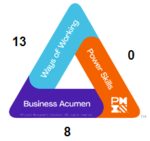 This training program allows you to earn 21 PDUs (Professional Development Units). Learn more.
Copyright © AXELOS Limited 2022. Used under permission from AXELOS Limited. All rights reserved. The Swirl logo™ is a registered trademark of AXELOS Limited, used under permission from AXELOS Limited. All rights reserved.